Wednesday, 19 October 2016

Welcome Back!

Why learning English? That is the question!


Resultado de imagen de learning English

Let´s start by introducing ourselves and saying at least one reason why you want to do this course:

    I want to speak English!!


Conversation questions:


Should everyone learn English?

Why are you studying English?

In your experience, what studying methods are most effective for you?

What accent do you find easiest to understand?

Are English movies in your country shown with subtitles or are they dubbed?


If you could speak English perfectly, how would your life change?


Watch this video by Professor David Crystal talking about the future of English as a language and be prepared to have a discussion afterwards:

Will English continue to be the global language that it is now?


Follow this link to discuss some quotes about why learning languages. They are the words of very influential people who bring forward some of the best reasons to learn a language.

These quotes remind us of how languages open up our minds to a variety of opportunities in diferrent cultures and countries.

So, what is your reason?

Let´s now listen to a new video where professor David Crystal talks about "World Englishes". What does he mean by that?




Tuesday, 14 June 2016

Food from around the world


We have travelled around the world in the previous topic and now we are going to learn how to speak in English about foods, eating and foods from the world!

Which countries have the healthiest diets?

Read this article from The Independent to find out!

Lets look at some very popular food idioms:


BREAKFAST DISCUSSION


- What did you have for breakfast this morning?
- Do you always have time to eat what you want for breakfast?
- Has what you eat for breakfast changed over the years?
- What do you do while having breakfast?
- Do you watch "breakfast televisión"?
- Do you prefer to eat breakfast alone or with other people?
- Do you ever eat breakfast in a restaurant or canteen?
- Is the breakfast you usually eat healthy?
- How often do you skip breakfast or have it on the go?
-Can you eat "lunch-style food" or "dinner-style food" for breakfast?
-What do you think of breakfast at hotels?
-What is the origin of the word breakfast?


Watch Emma from EngVid to remember what a phrasal verb is and how native speakers use them to talk about food:


Now that you are familiar with  a wide range of food vocabulary, listen to the words and sounds of this fantastic lesson by Rob from BBC Learning English.
Listen to Rob in his kitchen preparing a fry-up. See if you can hear what ingredients he uses and also what words he uses that include sounds that are similar to the noises the words refer to. These words are examples of onomatopoeia. There are 16 to listen out for.

 Is your stomach rumbling? Are you ready to learn more Eating vocabulary?


Ready to look at some recipes from around the world?
Follow this link to BBC Good Food to discover wonderful food from around the world.

Do you fancy cooking? Are you a good cook?

Why not trying this summer recipe


Cannellini with fennel sausage and artichokes on a plate

Sunday, 5 June 2016

Talking about travelling and holidays

In this lesson we are going to learn how to book a room at a hotel, practise calling to get a reservation and many other things to do with travelling!

Following our lessons on telephone English and how to speak politely in English, let´s now get into the exciting world of travelling!


Let´s get started by asking and answering questions on travel and tourism on the worksheet provided.

Revise your travel vocabulary by watching this video:


Follow this link to listen to some of the most common conversations when travelling.

Watch this video to learn approriate language and expessions to make a holiday reservation:


Learn how to write a travel blog and start writing your own!


What are the best cities in the world?

Watch this travel guide about Arizona and answer the questions:
  Now watch this Rio de Janeiro travel guide and make a list of the most popular tourist attractions


What if your holiday doesn´t go as well as you thought it would?
Then you can always write a letter of complaint!

British people are "experts" when it comes to complaining. There is a citizens advice website
where you can find samples and templates to complaint about anything!

Follow this link to look at some examples and then write your own letter of complaint.

Saturday, 28 May 2016

Speaking politely in English

To be polite when speaking English is a very important aspect of the language.

In this lesson we are going to learn some ways to sound less direct and more polite when speaking English:


This is a very useful video to learn how to sound less direct when speaking English:


You may be interested in learning polite expressions in English to refer to several every-day-life situations. Here are some examples of how to use "soft language":


Would you like to learn some expessions to speak politely at work? Then follow the link to this great lesson by BBC Learning English: English at work.


Friday, 27 May 2016

Idioms and expressions

English is very rich in idioms and expressions of all kinds.


In this topic, we are going to learn about some of the most famous ones and this will help us sound more like a native speaker!

Let´s begin with some funny idioms without getting stressed out!


In the following video from ESL English Academy, Faby talks about idiomatic expessions for every day conversations with friends. Remember: this time they are slang or colloquial expressions, not to be used at work or in a more formal context!


You can also listen to Valen from EngVid, explaining 10 very common expessions in English:


Follow this link to learn some more expressions and idioms from BBC Learning English, the English we speak.

How about learning a great idiom from Shakespeare´s times:


Sunday, 22 May 2016

Speaking on the phone

Speaking on the phone is one of the most "tricky" tasks for most people learning English or wanting to improve their English skills.

I this entry I will help you become familiar with some of the most frequent expressions used to talk on the phone, especially in a profesional context, where you need to use appropriate formal language.

Let´s begin by learning some of the most common expressions in this very useful video:


You may also want to remember these top telephone tips that are explained in the following video.
To sump up, these are some of the most important tips:

 1) Don´t be direct: use expessions such as "may I", "could I" or "I would like".

 2) Practice before you have to make an important call.

 3) Be careful when spelling key words.

 4) Numbers are important. Make sure you pronounce them correctly.

 5) Ask for clarification if you don´t understand.

 6) Memorise key expressions.

 7) Differentiate formal and informal language.

 8) Smile!


Let´s now look at some useful telephone phrases in this video:


Tuesday, 3 May 2016

To tweet or not to tweet?

We all know about the impact of  technology and social media in our lives. But first let´s ask ourselves a few questions:


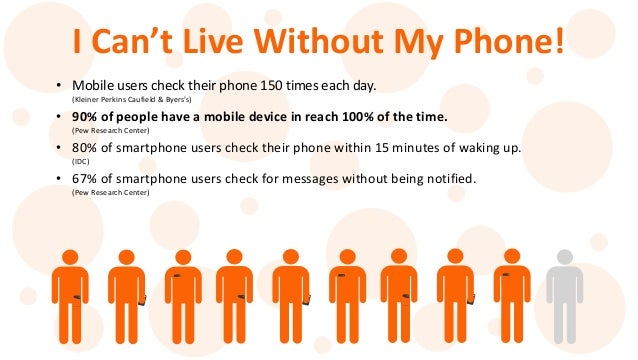
CAN YOU LIVE WITHOUT YOUR MOBILE PHONE? 
  • How often do you look at your mobile phone during the day?
  • How often do you charge your phone?
  • How often do you send WhatsApp messages to your friends and people you know?
  • How long does it take you to look at your mobile phone after you wake up?
  • Can you think of any other questions you would ask yourself or other people about the use of mobile phones?

     
 Another important question for debate: Should mobile phones be allowed in lessons?

Think of three reasons for and against allowing the use of mobile phones in lessons:

3 Reasons for

3 Reasons against


Let´s now think about internet safety. Watch this video to help you remember some of the risks!!


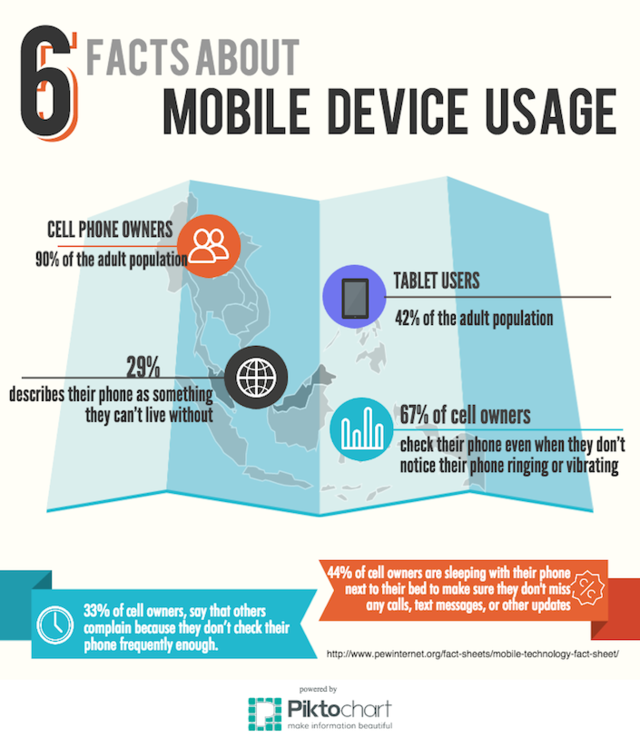
Some more statistics to discuss:


Let´s now read an article and watch a video to get the most relevant information about how, according to a survey, half of teenagers are addicted to their smartphones: nbcnews

How addicted are you to social networks? do you use Twitter? Want to know more about the "peculiar" use some people make of Twitter?

Read this article or listen to the audio about "Bad Day Tweets" from Hot English Magazine

Connected but alone? Sherry Turkle asks this questions in one of her TED TALKS: As we expect more from technology, do we expect less from each other?  Please watch this very intesting talk and discuss the arguments she brings forward: